Perimeter Solutions for Government Buildings
Safeguarding Public Institutions with Advanced Security Measures
Overview of Security Needs and Effective Solutions for Government Buildings
Government buildings serve as pivotal centers for public administration and services, necessitating stringent perimeter security measures to protect sensitive information, personnel, and visitors. Implementing effective perimeter security is essential to deter unauthorized access and ensure the safety of these critical infrastructures.
Page Content Navigation
Understanding the Perimeter Security Landscape of Government Facilities
Security Strategies Specific to Government Buildings
Establishing a Comprehensive Security Strategy for Government Buildings

Understanding the Perimeter Security Landscape of Government Facilities
Public Accessibility and Security Balance
Government buildings serve as hubs for public services, necessitating open access for citizens while maintaining stringent security protocols. Achieving this balance involves addressing several key challenges:
Diverse Visitor Profiles: These facilities accommodate a wide range of individuals, including employees, contractors, and the general public, each with varying access requirements. Implementing security measures that cater to these diverse groups without causing inconvenience is complex. For instance, access control systems must differentiate between staff who require unrestricted access and visitors who should have limited entry, all while maintaining a seamless experience.
Regulatory Compliance: Security protocols must adhere to legal standards, such as the Americans with Disabilities Act (ADA), ensuring that measures are inclusive and provide equal access to individuals with disabilities without compromising safety.
Integration with Architectural Design: Security installations should complement the building’s design, preserving its aesthetic and historical significance. Striking a balance between hardened security features and maintaining an inviting atmosphere is challenging, especially in structures with architectural or cultural importance.
Technological Constraints: Deploying advanced security technologies, such as biometric scanners or electronic access systems, necessitates a balance between user-friendliness and protective capabilities. Overly complex systems may deter legitimate users, while overly simplistic ones might be vulnerable to breaches. Ensuring these technologies are both effective and accessible requires careful planning and user training.
Addressing these challenges requires a nuanced approach that integrates effective security measures without hindering public access, ensuring that government buildings remain both secure and welcoming to all visitors.
Protection of Sensitive Information
Government buildings often house confidential data critical to national interests, necessitating stringent measures to prevent unauthorized access and potential espionage. Implementing specialized facilities and protocols is essential to safeguard this sensitive information.
Sensitive Compartmented Information Facilities (SCIFs): Establishing SCIFs provides secure environments designed to store, process, and discuss classified information. These facilities adhere to rigorous construction and security standards to prevent unauthorized access and eavesdropping.
Access Controls: Implementing strict access control measures, such as biometric authentication and security clearances, ensures that only authorized personnel can enter sensitive areas. Continuous monitoring and auditing of access logs help detect and deter unauthorized attempts.
Physical Barriers: Utilizing reinforced doors, walls, and soundproofing materials enhances the physical security of rooms containing sensitive information, mitigating risks of forced entry and eavesdropping.
Electronic Surveillance: Deploying surveillance systems, including CCTV cameras and intrusion detection systems, provides real-time monitoring and alerts for any unauthorized activities, enabling prompt response to potential security breaches.
By integrating these measures, government facilities can effectively protect sensitive information, ensuring national security and maintaining public trust.
Compliance with Regulatory Standards
Government buildings are subject to a comprehensive array of regulations and standards designed to ensure the safety and security of federal facilities. Adherence to these mandates is crucial for legal compliance and maintaining public trust. Key regulatory frameworks include:
Interagency Security Committee (ISC) Standards: Established to enhance the quality and effectiveness of security in federal facilities, the ISC develops policies and recommendations governing physical security at nonmilitary federal facilities. These standards apply to all buildings occupied by federal employees for nonmilitary activities and are essential for maintaining consistent security protocols across agencies.
Federal Information Security Modernization Act (FISMA): This legislation defines a framework of guidelines and security standards to protect government information and operations. FISMA requires federal agencies to develop, document, and implement agency-wide information security programs, ensuring the confidentiality, integrity, and availability of sensitive information.
National Institute of Standards and Technology (NIST) Guidelines: NIST provides a catalog of privacy and security controls for information systems, assisting federal agencies in implementing FISMA requirements. These guidelines offer a structured approach to managing information security risks and are integral to maintaining thorough security postures.
Regular audits and updates to security protocols are essential to maintain adherence to these evolving standards. By proactively engaging in compliance activities, government agencies can ensure the protection of assets, personnel, and sensitive information, thereby upholding public confidence in their operations.
Integration with National Security Protocols
Government buildings play a pivotal role in national security, necessitating seamless coordination with various security agencies to effectively address and respond to potential threats. This integration involves several key components:
Collaborative Partnerships: Establishing strong partnerships with national security entities, such as the National Security Agency (NSA), enhances the ability to prevent, detect, and counteract cyber adversaries targeting critical infrastructure.
Information Sharing Systems: Implementing platforms like the Information Sharing Environment (ISE) facilitates the exchange of terrorism-related information among federal, state, local, tribal, and territorial governments, as well as private sector partners. This decentralized approach ensures timely dissemination of intelligence, bolstering collective security efforts.
Adherence to National Incident Management System (NIMS): Aligning with standardized procedures outlined in NIMS enables coordinated responses to incidents, ensuring interoperability among various agencies and streamlining resource management during emergencies.
By integrating these elements, government facilities can enhance their security posture, ensuring a unified and efficient response to national security challenges.
Security Strategies Specific to Government Buildings
Installing the Proper Security Measures to Ensure Solid Security
Ensuring the security of government facilities necessitates a multi-faceted approach that integrates physical, electronic, and cybersecurity measures. Implementing solid strategies in these areas establishes a fortified environment that safeguards personnel, sensitive information, and critical infrastructure.
Fortifying Physical Perimeters
Enhancing physical perimeter security is crucial for deterring unauthorized access and mitigating potential threats. Key measures include:
- Anti-Ram Bollards: Installing steel and reinforced concrete bollards effectively stops vehicles attempting forced entry, providing critical protection against vehicular attacks.
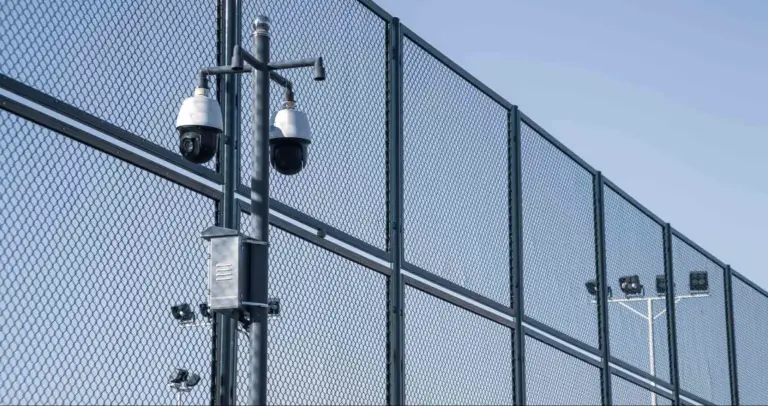
- Reinforced Fencing: Utilizing high-security fencing with anti-climb features and intrusion detection sensors creates a formidable barrier against unauthorized entry.
- Non-Lethal Electrified Fencing (Stun Fences): Implementing non-lethal electrified fences delivers a safe yet effective deterrent by administering an uncomfortable electric shock to intruders. These fences serve as both physical and psychological barriers, often integrated with alarm systems to alert security personnel upon tampering or breach attempts.
- Blast-Resistant Materials: Incorporating materials designed to withstand explosions into building structures enhances resilience against blast events, safeguarding occupants and infrastructure.
By integrating these strategies, organizations can significantly strengthen their physical perimeters, effectively deterring and responding to various security threats.
Implementing Advanced Surveillance Systems
Deploying state-of-the-art surveillance technologies enhances monitoring capabilities and situational awareness:
High-Resolution CCTV Cameras: Strategically placed cameras equipped with motion detection and facial recognition provide comprehensive coverage of the facility’s perimeter and critical areas.
AI-Powered Analytics: Integrating artificial intelligence enables real-time analysis of surveillance footage, facilitating prompt identification of suspicious activities and reducing false alarms.
Establishing Smart Access Controls
Implementing stringent access control measures ensures that only authorized individuals can enter sensitive areas:
Multi-Factor Authentication (MFA): Combining biometric scanners, smart cards, and PIN codes enhances security by requiring multiple forms of verification.
Visitor Management Systems: Utilizing electronic systems to register, badge, and monitor visitors helps control and document non-employee movements within the facility.
By integrating these comprehensive security measures, government facilities can create a sturdy defense framework that addresses physical intrusions, unauthorized access, and cyber threats, thereby ensuring the safety and integrity of their operations.
Establishing a Comprehensive Security Strategy for Government Buildings
Developing a Robust Security Strategy for Government Facilities
To effectively safeguard your organization, it’s crucial to implement a multifaceted security approach that encompasses regular assessments, comprehensive staff training, expert collaboration, and coordinated emergency planning.
Conducting Regular Security Assessments
Routine evaluations help identify vulnerabilities and assess the effectiveness of existing security measures. These assessments should lead to actionable improvements and updates to security protocols.
Training Personnel on Security Protocols
Educating staff on security procedures, threat recognition, and emergency response ensures preparedness. Regular drills and training sessions reinforce the importance of vigilance and proper protocol adherence.
Collaborating with Security Experts
Engaging with experienced security consultants aids in designing and implementing effective strategies tailored to the facility’s specific needs and challenges.
Coordinating with Emergency Response Plans
Integrating security measures with comprehensive emergency response plans ensures a cohesive approach to incidents. Regular coordination with local law enforcement and emergency services enhances response efficacy.
Contact Solid Security Today to Get Started
Protecting government facilities requires a proactive security strategy. Regular assessments help identify vulnerabilities, while continuous staff training ensures preparedness. Collaborating with security experts allows for tailored solutions, and integrating these measures with emergency response plans enhances overall resilience.
Solutions for Government Buildings FAQ's
What are the key components of effective perimeter security for government buildings?
Effective perimeter security integrates physical barriers, surveillance systems, access controls, and cybersecurity measures to deter, detect, and respond to unauthorized access.
How can government facilities balance public accessibility with security needs?
Balancing accessibility and security involves designing entry points that screen visitors effectively without causing undue delays, ensuring both public access and protection.
What role do surveillance systems play in perimeter security?
Surveillance systems, such as high-resolution CCTV cameras with motion detection and facial recognition, enhance monitoring capabilities and provide real-time alerts to security personnel.
Why is access control important for government buildings?
Access control ensures that only authorized individuals can enter sensitive areas, utilizing methods like multi-factor authentication and visitor management systems to prevent unauthorized access.
How do physical barriers contribute to perimeter security?
Physical barriers, including anti-ram bollards, reinforced fencing, and blast-resistant materials, serve as the first line of defense against unauthorized vehicular or pedestrian access.
What are the common challenges in implementing perimeter security for government facilities?
Challenges include balancing security with public accessibility, integrating new technologies with existing systems, and ensuring compliance with regulatory standards.
How can government buildings protect against cyber threats related to physical security systems?
Implementing cybersecurity measures, such as regular software updates, network segmentation, and employee training, helps protect building management systems from cyber threats.
What is the significance of compliance with regulatory standards in perimeter security?
Compliance ensures that security measures meet legal requirements and industry best practices, maintaining public trust and avoiding legal repercussions.
How often should security assessments be conducted for government building perimeters?
Regular security assessments, at least annually or when significant changes occur, help identify vulnerabilities and ensure that security measures remain effective and up-to-date.
What emerging technologies are being integrated into perimeter security for government facilities?
Emerging technologies include artificial intelligence for threat detection, drones for aerial surveillance, and advanced biometric systems for access control, enhancing overall security capabilities.