Perimeter Security Solutions
Solid Boundaries: Perimeter Security and its Importance
Understanding Perimeter Security
Perimeter security involves safeguarding a property’s boundaries to prevent unauthorized access, serving as the first line of defense to deter intruders and protect assets, personnel, and infrastructure. Implementing robust perimeter security measures is crucial for mitigating risks associated with theft, vandalism, and other security threats.
Page Content Navigation
Fundamentals of Perimeter Security
Product Solutions for Solid Perimeter Security
Sector-Specific Applications
Deploying Advanced Perimeter Security
Best Practices for Perimeter Security
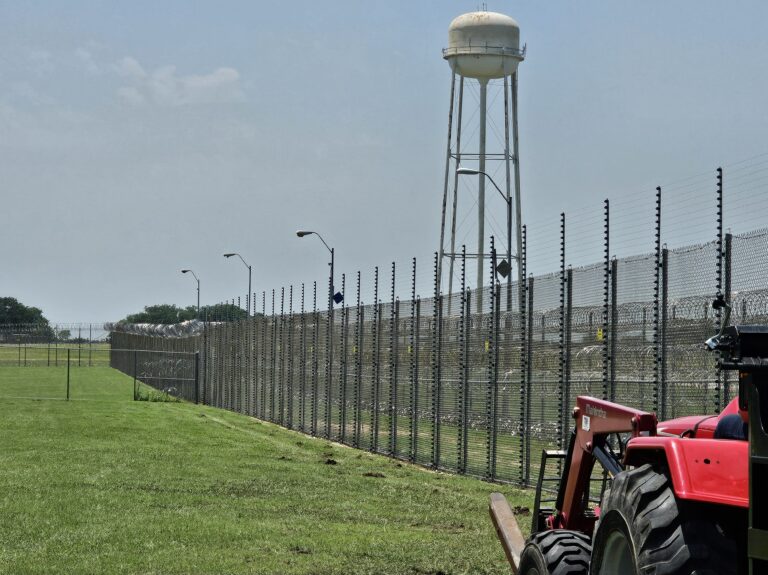
Fortifying Perimeters with Advanced Security Solutions
A strong perimeter is the first and most critical line of defense for any high-security facility. Combining physical barriers with advanced intrusion detection technology helps deter threats, prevent unauthorized access, and enhance overall safety. From correctional institutions to government and commercial sites, modern perimeter security solutions are designed to provide continuous monitoring, rapid response capabilities, and long-term reliability in any environment.
Fundamentals of Perimeter Security
Understanding the fundamentals of perimeter security is essential for establishing a robust defense against unauthorized access and potential threats. This section delves into the core components and principles that constitute effective perimeter protection, providing insights into how these elements work together to safeguard assets, personnel, and infrastructure. By comprehending these basics, organizations can develop and implement security strategies tailored to their specific needs and vulnerabilities.
What Makes Perimeter Security So Effective
The Working Components
- Physical Barriers: Structures such as fences, walls, and gates that physically restrict unauthorized entry.
- Surveillance Systems: Utilization of CCTV cameras and monitoring technologies to observe and record activities around the perimeter.
- Access Control Mechanisms: Systems designed to regulate and monitor entry points, ensuring that only authorized individuals gain access.I
- ntrusion Detection Systems: Technologies that detect and alert security personnel to unauthorized attempts to breach the perimeter.
Goals of Investing in Perimeter Security
- Asset Protection: By establishing a secure perimeter, organizations can protect valuable assets from theft or damage.
- Safety Assurance: Ensures the safety of personnel by preventing unauthorized individuals from entering restricted areas
- .Risk Mitigation: Reduces the likelihood of security incidents, thereby minimizing potential operational disruptions and financial losses.
- Deterrence: A well-secured perimeter acts as a visible deterrent, discouraging potential intruders from attempting unauthorized access.
Establishing robust perimeter security measures is essential for maintaining the integrity of facilities, building and institutions while ensuring the safety of both people and property.

Detect Unauthorized Access: A Critical Security Risk
Unauthorized access poses a significant threat to high-security facilities, including correctional institutions, government buildings, and commercial properties. Intrusions can lead to theft, vandalism, data breaches, or, in the case of correctional facilities, inmate escapes.
Issues with unauthorized access include:
- Intrusions: Individuals attempting to breach a facility’s perimeter through climbing, cutting, or bypassing security barriers.
- Escapes: In correctional settings, weak perimeter security can lead to inmate escapes, putting public safety at risk.
- Tailgating & Piggybacking: Unauthorized individuals gaining access by following authorized personnel through security checkpoints.
- Insider Threats: Employees or contractors misusing their credentials to bypass security measures.
Deterring Vandalism and Sabotage: Protecting Against Operational Disruptions
Vandalism and sabotage pose serious risks to perimeter security, potentially leading to costly damages, operational downtime, and compromised safety. These deliberate acts can target physical infrastructure, surveillance systems, or security barriers, weakening a facility’s defenses and leaving it vulnerable to further threats.
Risks of vandalism and sabotage can include
- Damage to Fencing and Barriers: Cutting, tampering, or dismantling security fences can create weak points in the perimeter.
- Destruction of Surveillance Equipment: Disabling or obstructing security cameras and sensors to avoid detection.
- Tampering with Access Control Systems: Unauthorized interference with keypads, card readers, or biometric systems to gain entry.
- Infrastructure Sabotage: Intentional damage to lighting, communication lines, or power sources to disable security measures.
To counter these threats, integrated perimeter security solutions—including reinforced fencing, intrusion alarms, 24/7 surveillance, and rapid response protocols—help detect and deter vandalism and sabotage before they escalate, ensuring continuous protection.
Delay Terrorist Activities: Heightened Risks for Government and Correctional Facilities
Government buildings, correctional facilities, and critical infrastructure face an elevated risk of terrorist activities due to their strategic importance. These sites may be targeted for ideological, political, or retaliatory reasons, making robust perimeter security a necessity.
Threats of terrorist activities can include:
- Coordinated Attacks: Organized efforts to breach security, cause harm, or disrupt operations.
- Explosive Threats: The placement of explosives near perimeter barriers to create access points.
- Cyber-Physical Attacks: Attempts to disable security systems, surveillance networks, or access controls through hacking or physical interference.
- External Collaborations: Insider threats or external individuals assisting in orchestrating attacks or escapes.
To mitigate these risks, multi-layered perimeter security is essential. High-security fencing, advanced intrusion detection, access control integration, and 24/7 surveillance help detect, deter, and respond to potential terrorist threats before they can compromise facility safety.
Product Solutions for Solid Perimeter Security
Non-Lethal Electric Fences (NLEF), also known as stun fences, provide a highly effective perimeter security solution by delivering a safe yet powerful deterrent against unauthorized access. These fences emit a non-lethal, high-voltage pulse, creating an immediate psychological and physical barrier to intruders while maintaining compliance with safety regulations.
Products Overview in this Section
Non-Lethal Electric Fences (NLEF), also known as stun fences, provide a highly effective perimeter security solution by delivering a safe yet powerful deterrent against unauthorized access. These fences emit a non-lethal, high-voltage pulse, creating an immediate psychological and physical barrier to intruders while maintaining compliance with safety regulations.
Contact Solid Security Today to Get Started

Stun Fences (NLEF): Non-Lethal Electric Fencing for Deterrence and Protection
Non-Lethal Electric Fences (NLEF), also known as stun fence or monitored pulse fences, provide a highly effective perimeter security solution by delivering a safe yet powerful deterrent against unauthorized access. These fences emit a non-lethal, high-voltage pulse, creating an immediate psychological and physical barrier to intruders while maintaining compliance with safety regulations.
Components of Stun Fences (NLEF)
- Fence-Mounted Sensors – Detect vibrations, movement, or tampering on security fences, alerting personnel to intrusion attempts.
- Fiber Optic Detection Systems – Highly sensitive fiber optic cables installed along the perimeter can pinpoint the exact location of disturbances.
- Microwave and Infrared Sensors – Create invisible detection zones that trigger alarms when an unauthorized presence is detected.
- Radar-Based Motion Detection – Continuously monitors open areas near the perimeter for movement, even in low-visibility conditions.
- Buried Sensor Systems – Covert underground sensors detect footsteps or vehicle movement near secure zones.
Goals of Investing in Stun Fences (NLEF):
- Deterrence – The visible presence of an electrified fence discourages intruders from attempting to breach the perimeter.
- Immediate Intrusion Response – The system triggers alarms and alerts security teams upon contact, ensuring a rapid response.
- Non-Lethal Protection – Delivers a short, non-lethal shock that incapacitates momentarily without causing permanent harm.
- Integration with Security Systems – Seamlessly connects with surveillance cameras, access control, and intrusion detection systems for a comprehensive security network.
- Low Maintenance & High Reliability – Designed for continuous operation with minimal upkeep, ensuring long-term perimeter security.
Stun fences are widely used in correctional facilities, military bases, industrial sites, and high-security government buildings where intrusion prevention and rapid threat detection are essential. These advanced systems provide a proactive, non-lethal solution to perimeter security, ensuring safety without compromising operational efficiency.
Perimeter Intrusion Detection Systems (PIDS): Advanced Threat Detection for Secure Perimeters
Perimeter Intrusion Detection Systems (PIDS) utilize advanced sensors and monitoring technologies to detect unauthorized perimeter breaches in real time. These systems provide early-warning alerts, allowing security teams to respond immediately to potential threats before they escalate.
Components of PIDS:
- Fence-Mounted Sensors – Detect vibrations, movement, or tampering on security fences, alerting personnel to intrusion attempts.
- Fiber Optic Detection Systems – Highly sensitive fiber optic cables installed along the perimeter can pinpoint the exact location of disturbances.
- Microwave and Infrared Sensors – Create invisible detection zones that trigger alarms when an unauthorized presence is detected.
- Radar-Based Motion Detection – Continuously monitors open areas near the perimeter for movement, even in low-visibility conditions.
- Buried Sensor Systems – Covert underground sensors detect footsteps or vehicle movement near secure zones.
Goals of Investing in PIDS:
- Real-Time Threat Detection – Instant alerts enable swift action to prevent security breaches.
- Wide-Area Coverage – Protects large perimeters, including correctional facilities, military bases, and industrial sites.
- Integration with Security Infrastructure – Works alongside surveillance cameras, stun fences, and access control systems for comprehensive security.
- Reduced False Alarms – Advanced technology differentiates between real threats and environmental disturbances.
PIDS is an essential layer of modern perimeter security, ensuring facilities can detect, deter, and respond to unauthorized access attempts with unmatched accuracy and efficiency.
Video Surveillance Integration: Enhancing Perimeter Security with Advanced Monitoring
Integrating CCTV and advanced video surveillance systems into perimeter security provides continuous monitoring, threat verification, and real-time response capabilities. High-definition cameras, intelligent analytics, and remote monitoring solutions strengthen overall security by allowing facilities to detect, track, and assess potential threats along the perimeter.
Components of Video Surveillance Integration Include
- High-Resolution CCTV Cameras – Provide clear visuals for identifying intruders, even in low-light conditions.
- Thermal Imaging & Night Vision – Detect movement and heat signatures beyond the range of traditional cameras.
- AI-Powered Video Analytics – Recognizes unusual activity, such as loitering, fence tampering, or unauthorized access.
- Automated Motion Tracking – Enables cameras to follow suspicious movement along the perimeter.
- Remote Access & Monitoring – Security teams can monitor live footage and receive alerts from anywhere.
Goals of Investing in Video Surveillance for Perimeter Security
- Visual Verification of Threats – Helps differentiate between real intrusions and false alarms.
- Deterrence Against Unauthorized Access – Visible cameras discourage trespassing and criminal activity.
- Seamless Integration with Other Security Systems – Works alongside intrusion detection, access control, and stun fences for a multi-layered security approach.
- Recorded Evidence for Investigations – Provides video documentation for security incidents and legal purposes.
By integrating video surveillance with perimeter security measures, facilities can achieve proactive monitoring, faster threat detection, and a stronger defense against potential breaches.
Access Control Mechanisms: Regulating and Monitoring Perimeter Entry Points
Access control systems play a critical role in perimeter security, ensuring that only authorized personnel can enter restricted areas. By integrating advanced authentication methods and real-time monitoring, these systems help prevent unauthorized access while maintaining efficient site operations.
Components of Access Control Technologies:
- Keycard & Biometric Entry Systems – Use RFID cards, PIN codes, fingerprint, or facial recognition to grant access.
- Vehicle Access Barriers – Automated gates, bollards, and license plate recognition to control vehicle entry.
- Turnstiles & Security Doors – Physical barriers that limit access to one person at a time, preventing tailgating.
- Remote Access Management – Allows security teams to grant or revoke access remotely.
- Multi-Factor Authentication (MFA) – Requires multiple credentials for added security, such as a card scan plus a fingerprint.
Goals of Investing in Access Control in Perimeter Security
- Enhanced Security – Prevents unauthorized entry and tracks personnel movement.
- Customizable Permissions – Restricts access based on user roles and clearance levels.
- Seamless Integration – Works with intrusion detection, surveillance, and perimeter fencing for a unified security approach.
- Audit & Compliance Tracking – Generates logs of access events for regulatory compliance and incident investigation.
Sector-Specific Applications
Advanced Security Solutions Designed for Industry-Specific Challenges
Securing a perimeter requires solutions that are specifically designed to meet the unique demands of different industries. While all high-security facilities share the goal of preventing unauthorized access, the risks and security measures vary based on the environment they protect. Whether it’s deterring intruders, preventing escapes, or safeguarding critical infrastructure, each sector requires a combination of physical barriers, technology, and strategic integration to maintain security and operational efficiency.
Solid Security Specializes in Industry Sectors
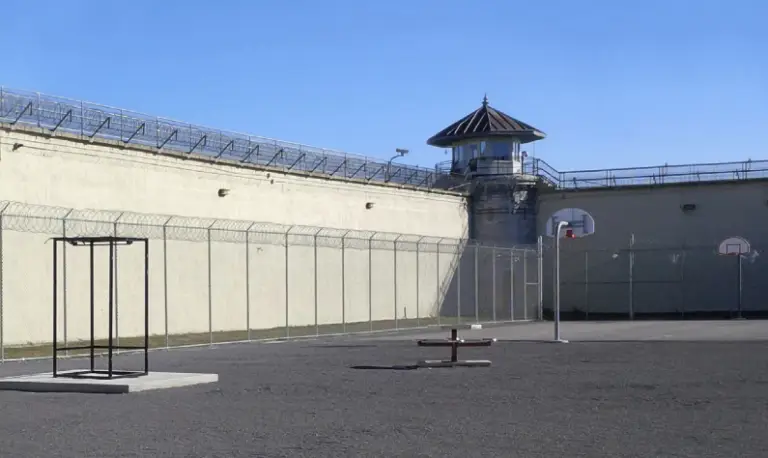
Correctional Institutions
Correctional facilities require strong perimeter security measures to prevent escapes and unauthorized access. These environments demand highly effective deterrents that maintain security while ensuring compliance with safety regulations. Two critical components of correctional facility perimeters are non-lethal electrified fences (NLEF) and high-security fencing, both designed to reinforce containment and enhance overall facility security.
High Security and Non-Lethal Electrified Fences (NLEF)
High-security fencing provides an additional layer of defense by incorporating anti-climb and anti-cut features to prevent unauthorized access. These fences are designed with reinforced materials, making them resistant to tampering, climbing, and forced entry.
- Tamper-Resistant Design: Engineered to prevent cutting, scaling, or breaching.
- Structural Durability: Withstands impact and environmental conditions.
- Adaptability: Available in different heights and materials to meet facility requirements.
- Integrated Security: Works in conjunction with surveillance and intrusion detection systems for enhanced protection.
Non-lethal electrified fences deliver a pulsed high-voltage shock to deter individuals from attempting to climb or breach the perimeter. These fences provide a continuous layer of protection, immediately discouraging escape attempts while minimizing harm.
- Deterrence: The high-voltage pulse serves as a psychological and physical barrier against intrusion.
- Automated Alerts: Any attempt to tamper with the fence triggers an instant security response.
- Non-Lethal Protection: The electric pulse is strong enough to prevent intrusion but does not cause lasting harm.
- Continuous Monitoring: Integrates with surveillance and security systems for real-time oversight.
The installation of non-lethal electrified fences and high-security fencing, correctional facilities establish a reinforced perimeter that effectively prevents escapes, deters unauthorized access, and enhances overall security.
Government Buildings
Government facilities require comprehensive perimeter security solutions to protect critical infrastructure, sensitive information, and personnel from unauthorized access and potential threats. These sites demand a multi-layered security approach, combining electric fencing, surveillance, and access control to ensure a secure and controlled environment.
Integrated Security Solutions
A combination of electric fencing and video surveillance enhances perimeter protection by providing both physical deterrence and real-time monitoring. By integrating these technologies, government facilities can detect, verify, and respond to security threats more efficiently.
- Multi-Layered Protection: Electric fencing deters physical intrusions, while surveillance provides continuous oversight.
- Real-Time Threat Detection: AI-powered video analytics detect unusual activity and trigger alerts.
- Scalability and Customization: Systems can be tailored to secure sites of various sizes and security levels.
- Seamless Integration: Works with access control, intrusion detection, and automated response protocols.
By applying integrated security solutions, government facilities strengthen their perimeter defense, enhance threat detection, and maintain operational security for critical infrastructure
Commercial Facilities
Commercial facilities face a wide range of security challenges, from theft and vandalism to unauthorized access and trespassing. These businesses require flexible and scalable perimeter security solutions that provide strong deterrence without disrupting daily operations.
Customized Security Systems
Modern commercial security solutions are designed to meet the specific needs of each facility, offering a combination of electric perimeter fencing, anti-cut and anti-climb barriers, and intrusion detection technologies. These systems provide a proactive defense against security threats while maintaining an efficient and accessible environment for authorized personnel.
- Anti-Cut & Anti-Climb Barriers – Prevents intruders from scaling or breaching the perimeter.
- Electric Perimeter Fencing – Provides a non-lethal, high-voltage deterrent to unauthorized entry.
- Seamless Integration – Works with access control, surveillance, and alarm systems for comprehensive protection.
- Adaptability – Can be customized and scaled for businesses of various sizes and security needs.
By utilizing a customized perimeter security solutions, commercial enterprises can enhance protection, reduce risks, and maintain a secure environment while ensuring business continuity.
Industrial Facilities
Industrial plants face unique perimeter-security challenges—from heavy-equipment theft and copper stripping to hazardous-material sabotage and regulatory scrutiny. These sites require rugged, code-compliant solutions that deter intruders, pinpoint breaches instantly, and withstand harsh operating conditions without interrupting production.
Strategic Security Solutions
Modern industrial sites need more than a single line of defense; they require an integrated lattice of physical and electronic measures that detect, deter, and delay intruders while standing up to harsh operating environments.
- Anti-Ram & Anti-Climb Barriers — M50-rated gates and tight-mesh panels that stop vehicles and deny footholds.
- Monitored-Pulse Electric Fencing — Non-lethal high-voltage pulses paired with instant cut/climb alarms.
- Fence-Mounted Intrusion Sensors — Vibration, tension, or fiber optics that locate breaches to within one meter.
- Unified OT/IT Integration — Seamless ties to access control, AI CCTV, and SCADA for a single audit trail.
- Scalable, Industrial-Hard Design — Built to resist corrosion, extreme weather, and future site expansions.
Deploying this layered stack helps industrial operators safeguard assets, meet OSHA/CFATS mandates, and keep production on schedule.
Deploying Advanced Perimeter Security
Enhancing the Protection of your Property with Advanced Perimeter Security Measures
Advanced perimeter security solutions provide critical protection for high-risk facilities, ensuring continuous deterrence, rapid response to threats, cost efficiency, and regulatory compliance. By integrating physical barriers, surveillance, and automated detection technologies, organizations can strengthen security while reducing operational risks.
Advantages of Installing Solid Perimeter Security Systems
- Deterrence – Strong physical and visible barriers discourage intrusion.
The presence of electric fencing, surveillance cameras, and anti-climb barriers creates a psychological and physical deterrent that prevents unauthorized access. Clearly marked security perimeters reduce intrusion attempts before they happen. - Immediate Detection and Response – Real-time alerts enable quick action.
Advanced intrusion detection systems, AI-powered surveillance, and motion sensors provide instant alerts when a security breach occurs. These systems allow for faster response times, minimizing risks to personnel and assets. - Operational Cost Reduction – Maximizing security while reducing manpower.
Automated security solutions reduce the need for on-site personnel, allowing 24/7 perimeter monitoring through remote surveillance and integrated access control. Facilities can maintain high security while optimizing operational costs.
- Compliance and Safety – Meeting security regulations while protecting assets.
Many industries require strict perimeter security standards for insurance, legal compliance, and operational safety. Proper security measures ensure regulatory adherence, protect employees, and secure valuable infrastructure.
Installing advanced perimeter security solutions, organizations create a proactive defense system that enhances protection, improves efficiency, and ensures long-term reliability.
Best Practices for Perimeter Security
Fortify Your Boundaries with These Essential Steps for Solid Perimeter Security
Establishing robust perimeter security is essential for protecting assets and ensuring the safety of personnel. Adopting the following best practices can significantly enhance a facility’s security posture.
- Regular Security Assessments – Conduct routine evaluations to identify and address vulnerabilities. Regular assessments ensure that security measures remain effective and adapt to emerging threats.
- Technology Integration – Combine various security technologies, such as firewalls, intrusion detection systems, and surveillance cameras, for a comprehensive approach. Integrating these technologies enhances the overall security posture by providing multiple layers of defense.
- Staff Training – Train personnel to respond effectively to security incidents. Well-trained staff are crucial for recognizing and reacting to potential threats, ensuring that security protocols are followed, and maintaining a secure environment.
Building a plan around these best practices, organizations can strengthen their perimeter security, protect assets, and ensure the safety of personnel.
Contact Solid Security Today to Get Started
Safeguarding your commercial facility requires a proactive and comprehensive approach. By conducting regular security assessments, providing ongoing employee training, and collaborating with seasoned security professionals, you can establish a robust perimeter security system tailored to your organization’s unique needs. Don’t wait for a security breach to occur—take action now to protect your assets, employees, and customers.
Perimeter Security Solutions FAQ's
What is perimeter security, and why is it essential for facilities?
Perimeter security involves measures designed to protect the outer boundaries of a property or facility, preventing unauthorized access and safeguarding assets, personnel, and sensitive information. It’s crucial for facilities to deter potential intruders, detect breaches, and delay unauthorized entry, thereby ensuring safety and operational continuity.
Which perimeter security solutions are most effective for high-risk environments?
For high-risk environments, effective perimeter security solutions include:
- Electric Fencing Systems: Deliver safe, short electric pulses to deter intruders.
- Stun (Non-Lethal) Fences: Provide a non-lethal shock, serving as both deterrence and protection.
- Perimeter Intrusion Detection Systems (PIDS): Utilize sensors and technologies to detect unauthorized perimeter breaches.
- Video Surveillance Integration: Employ CCTV and advanced monitoring for real-time assessment.
- Access Control Mechanisms: Regulate and monitor entry points to secure perimeters.
How do electric and non-lethal fences function in deterring intrusions?
Electric fences deter intruders by delivering a safe, short electric pulse upon contact, creating a psychological and physical barrier. Non-lethal fences, also known as stun fences, provide a non-lethal shock designed to deter without causing serious harm, effectively discouraging unauthorized access.
What factors should be considered when selecting a perimeter security system?
Key considerations include:
- Facility Type and Layout: Understanding the specific security needs based on the facility’s purpose and design.
- Threat Level Assessment: Evaluating potential risks and the likelihood of intrusion attempts.
- Environmental Conditions: Considering climate, terrain, and other environmental factors that may impact system performance.
- Integration Capabilities: Ensuring compatibility with existing security infrastructure.
- Regulatory Compliance: Adhering to industry standards and legal requirements.
A thorough assessment of these factors ensures the selection of an effective and appropriate security system.
How does regular maintenance impact the effectiveness of perimeter security systems?
Regular maintenance is vital to ensure all components function correctly, promptly address any vulnerabilities, and extend the lifespan of the security system. It helps in early detection of potential issues, maintaining optimal performance, and ensuring continuous protection against threats.
Can perimeter security systems integrate with existing security infrastructure?
Yes, modern perimeter security systems are designed for seamless integration with existing security infrastructure, including surveillance cameras, access control systems, and alarm monitoring centers. This integration enhances overall security effectiveness by providing a cohesive and comprehensive protective network.
What are the compliance requirements for perimeter security in regulated industries?
Compliance requirements vary by industry and region but generally include adherence to standards set by regulatory bodies, implementation of specific security measures, regular audits, and documentation to ensure that security systems meet legal and industry-specific guidelines.
How do environmental factors influence the choice of perimeter security solutions?
Environmental factors such as climate, terrain, and local wildlife can significantly impact the performance of security systems. For instance, extreme weather conditions may affect electronic components, while rugged terrain might necessitate specialized installation techniques. Selecting solutions resilient to these factors ensures reliable operation.
What is the typical installation process and timeline for perimeter security systems?
The installation process typically involves:
- Site Assessment: Evaluating the facility’s layout and security needs.
- System Design: Customizing the security solution to address identified risks.
- Installation: Setting up physical and electronic components.
- Testing and Calibration: Ensuring all systems function correctly.
- Training: Educating staff on system operation and protocols.
Timelines vary based on system complexity and facility size but generally range from a few days to several weeks.
Are there scalable perimeter security options for facilities planning future expansions?
Yes, many perimeter security solutions are modular and scalable, allowing for easy expansion or modification as facility needs change. This flexibility ensures that security measures can adapt to growth, new threats, or technological advancements without requiring a complete system overhaul.